By a Refuge Service Manager
Every day in my role as a Service Manager at Refuge, I walk alongside women who are navigating some of the most difficult moments of their lives.
I lead frontline teams that support women and their children escaping domestic abuse, but my role is more than operational – it’s deeply personal.
As a Black woman working in the domestic abuse sector, I bring both my lived experience and professional expertise into this space.
I see firsthand the strength and resilience of Black women. But I also see the additional, deeply entrenched barriers they face – barriers that so often make their path to safety even more complex and painful.
The hidden barriers Black survivors face
Black survivors of domestic abuse don’t just experience the trauma of abuse itself; they also face racism and discrimination from the very systems designed to protect them.
I’ve worked with women who were not believed by the police, whose safety concerns were dismissed, or worse – who were treated as perpetrators rather than victims. These aren’t isolated incidents. They reflect widespread, systemic issues rooted in racism, unconscious bias, and harmful stereotypes.
For many Black women, asking for help doesn’t feel safe. Fears around immigration status, language barriers, and a lack of cultural understanding can make accessing support incredibly difficult. When those fears are met with indifference – or hostility – it reinforces the message that their pain doesn’t matter. And that’s a message no survivor should ever have to hear.
Listening and responding with specialist support
Specialist support isn’t just important – it’s essential. Services led by and for Black women, which recognise the cultural nuances, systemic inequalities, and intersecting forms of discrimination that Black survivors often navigate, are critical to ensuring they feel seen, heard, and supported.
At Refuge, we’re proud to work alongside both internal teams and external partners who help us centre culturally informed care and ensure accessibility to resources.
Women are welcomed into our services in a variety of languages, reflecting the diverse communities we support. Intake documents are available in most languages to ensure that every woman understands what she is signing upon arrival. This approach helps create a sense of safety, respect, and clarity from the very beginning.
Upon arrival, women are often invited to cook their first meal using familiar tools and ingredients. Our refuges are equipped with Dutch pots, stewing pots, cultural coffee pots and cups, as well as special seasonings that reflect the diverse backgrounds of the women we support. These touches allow them to recreate familiar dishes and feel a sense of comfort and cultural connection.
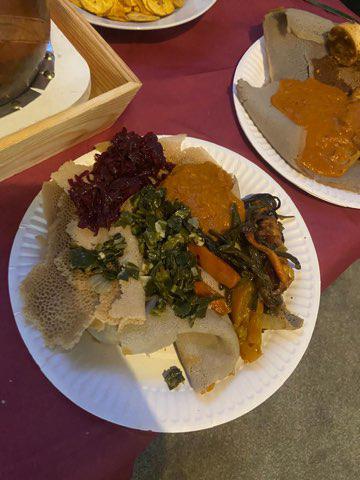
To mark and celebrate Black History Month, we will be inviting women in our services to contribute one recipe that represents their culture, heritage, or community. Each woman will also write a short explanation about the personal or cultural significance of the dish and date it. Over time, these contributions will form a growing recipe book that will be shared in each house—a living archive of the women’s stories and identities through food.
For children, there are a variety of toys and games available to help them settle in and feel at home. During October in particular, children are encouraged to create scrapbooks celebrating Black female heroes and community figures—offering both creative expression and inspiration.
Welcome packs are thoughtfully prepared for each family, in which children receive animated books filled with powerful and positive Black imagery. This helps to foster a sense of pride, belonging, and cultural identity from the start. 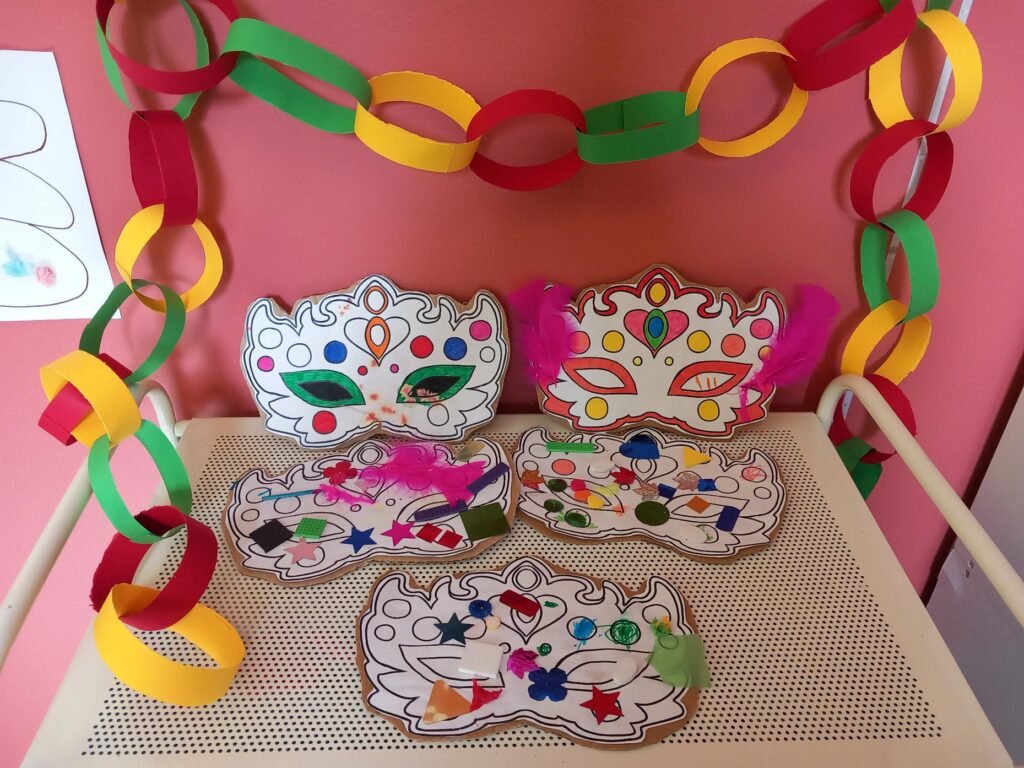
We are deeply committed to providing culturally aware and inclusive services, and we strive to create spaces that feel safe, familiar, and empowering for all.
But we know there is still much more to do.
One of the most powerful tools we have is the ability to listen. And I mean really listen – not just hear words, but take in the meaning, the emotion, and the truth behind them. When we truly listen to Black survivors, we begin to understand what needs to change. We begin to challenge our own assumptions. And we start building services that are genuinely inclusive, responsive, and safe.
Why Black History Month matters
Black History Month gives us an important opportunity to pause and reflect – but it must be more than a symbolic gesture. It must be a call to action.
For me, this month is about visibility: amplifying the voices of Black women who are too often silenced and holding space for their leadership and their healing. It’s also about accountability, because real change means taking action all year round – not just in October.
At Refuge, we use this month not just for celebration, but for recommitment – to equity, to representation, and to visibility. My message is simple: we must centre Black women in our work. We must believe them, support them, and create the conditions in which they are not just surviving, but thriving.