By Charlene Simpson (Service manager of Lambeth refuge), Heleana Phillips and Chelsea (Lambeth Children support worker)
“Equality is sometime an ongoing fight, but this refuge helps me to see the changes that are happening in the world and the good people that help create that change.”
Our culturally aware refuges allow us to support survivors in a way that goes beyond safety alone. They recognise that women do not arrive with “one” experience of abuse, but with layered identities shaped by culture, race, migration history, faith, and community expectations. By embedding cultural understanding into our everyday practice, we are better able to build trust, reduce fear of judgement, and respond to the very real barriers African and Caribbean women face when accessing support, such as stigma, isolation, language needs, or previous experiences of racism within services. This creates an environment where women feel believed, respected, and able to engage at their own pace.
We understand the tones of someone’s background, beliefs, language, and community, including those pressures of being a person of colour, so our refuge can tailor support in a way that feels respectful and empowering. This approach empowers survivors to build trust more quickly, especially if they may already feel isolated or misunderstood. We offer support that aligns with cultural values and reduce barriers to disclose by ensuring survivors don’t have to justify their experiences, but they are listened to rather. Most importantly, being a culturally specific refuge helps us to challenge system inequalities by ensuring our services are not one size fits all, helping survivors reclaim autonomy in a space where their identity is honoured and appreciated, rather than overlooked and ignored.
Culturally tailored welcome packs and food support play a powerful role in helping women feel safe and seen from the moment they arrive. Familiar foods, culturally relevant toiletries, and thoughtful items signal care, dignity, and belonging. For many women, especially those who have been displaced from their homes or communities, these small but intentional gestures help reduce anxiety and reinforce the message that they are valued as individuals, not just service users.
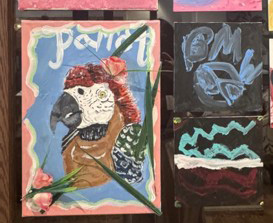
We provide books and dolls specific to African and Caribbean culture, to allow the children to feel comfortable and relate to seeing people that look like them, and enhance their confidence.
Celebrations such as Christmas and Black History Month allow us to focus on celebrating heritage and encourage discussions where the women can connect, relate and share stories about their similar experiences, rather than being judged.
“Seeing how excited staff are to celebrate Black History Month and all the celebrations that take place has made me excited to celebrate too.” – Survivor of domestic abuse
The children show a lot more excitement when sharing knowledge about the countries their families come from and being able to relate to one another over food, music, flags and culture.
“I love all of the cultural pictures, posters and books and especially love the lounge, it is my favourite room in the house. I never knew places like this existed before and living here has been life changing. ”– Survivor of domestic abuse
Our work also includes advocating on behalf of children and mothers where they may face discrimination when communicating with other professionals and services. More specifically, being able to identify when children are faced with adultification as a result of their race and being treated or viewed as older than they are. Being aware of this, means we can challenge the response that clients receive from services, making sure they are advocated for, treated equally and do not have to tolerate microaggressions that can lead to mistreatment.
One moment that stands out involved a woman who initially struggled to engage and kept herself very withdrawn. She shared that in previous services she felt misunderstood and pressured to explain cultural dynamics she didn’t have the energy to articulate. Having staff who already understood these nuances meant she didn’t need to justify or defend her experiences. Over time, this led to a visible shift in her confidence – she began attending group activities, advocating for herself in appointments, and expressing a renewed sense of self-worth. Feeling culturally understood allowed her to focus on healing rather than survival.
We want to emphasise that culturally specific services are not about separation, but about equity. They exist to ensure that survivors who face additional barriers are not left behind. When women feel understood and respected, they are more able to rebuild their confidence, regain control, and move forward with hope.
“I think that finding support from people that look like me has been so much easier for me to feel comfortable.
My race makes up part of who I am, and refuge has helped me to explore my identity more.
I love the cultural activities and the knowledge that have been shared from staff and other people in the house.
Equality is an ongoing fight, but this refuge helps me to see the changes that are happening in the world and the good people that help create that change.”
Equality is an ongoing commitment laced into how we work, how we listen, and how we challenge ourselves and those barriers. Everyone has a responsibility to raise awareness about how to create equality within everyday settings, by understanding their role and advantages, and using this to bring challenges to light in order to acknowledge how everyone can contribute to creating a safe and inclusive environment that strengthens our service and the outcome for survivors
In our team, we know that meaningful change is collective and ongoing. It’s not only about policies, but about everyday actions, reflection, and accountability. It asks us to look honestly at systems, challenge inequalities where we see them, and continue advocating for culturally responsive services to be recognised as essential rather than optional.
When everyone commits to change, we create a safer environment not only for survivors, but for each other – together.